Ditch the Hype: 5 Dermatologist-Approved Skincare Products That Science Actually Backs
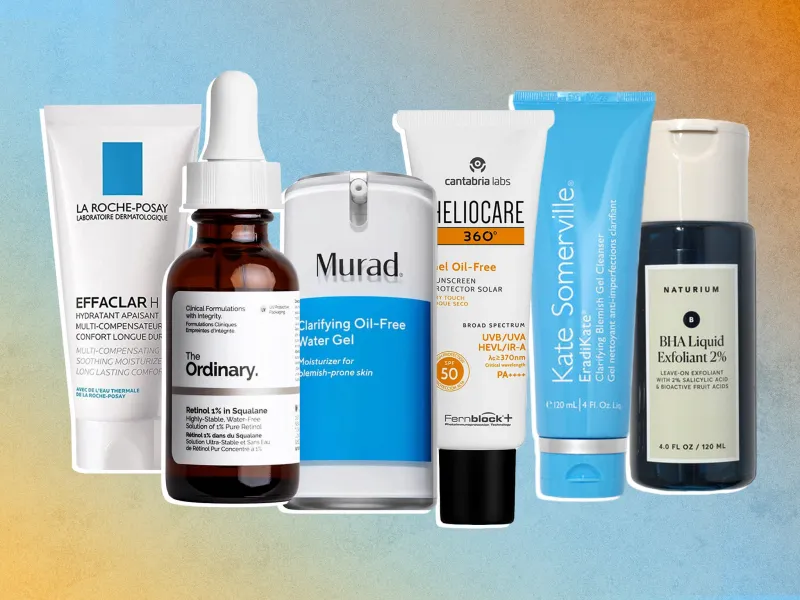
Photo: skincare products flat lay with moisturizer serum and sunscreen on clean white background, via static.independent.co.uk
Let's be honest about how most people pick skincare products in 2024. Someone with a ring light and 800,000 followers holds up a serum, says it "literally transformed" their skin, and suddenly it's sold out on Sephora's website for three weeks. The beauty industry has figured out that aspiration sells better than evidence, and the result is an aisle — or an Instagram feed — full of products backed by vibes rather than clinical data.
Here's what most of those brands don't want you to know: dermatologists, the actual medical professionals who treat skin conditions for a living, tend to reach for a pretty short list of proven ingredients. Retinoids. Niacinamide. SPF. Vitamin C. Ceramides. The delivery system matters, sure, but the fundamentals haven't changed much, and the drugstore often outperforms the department store counter. We built this list around what the science actually supports — no sponsored content, no affiliate arrangements, just five products that consistently earn dermatologist recommendations and deliver on their promises.
1. CeraVe Moisturizing Cream — The Gold Standard Nobody's Embarrassed to Recommend
If you've ever asked a dermatologist for a moisturizer recommendation and they didn't mention CeraVe, you might want a second opinion. This cream has become the unofficial consensus pick among skin specialists not because of marketing spend, but because the formulation is genuinely smart. It combines three essential ceramides (the lipids your skin barrier is literally made of) with hyaluronic acid and MVE technology, which releases moisture gradually rather than all at once. At around $18 for a large tub, it outperforms moisturizers that cost ten times as much in head-to-head clinical comparisons. It's fragrance-free, non-comedogenic, and works across skin types including sensitive and eczema-prone skin. The hype here is real — it just comes from dermatology journals instead of TikTok.
Key ingredients: Ceramides 1, 3, 6-II, hyaluronic acid, MVE delivery technology. Price range: ~$16–$20
2. La Roche-Posay Anthelios Melt-in Milk SPF 100 — Because Most People Under-Apply Sunscreen
Sun protection is the single most evidence-backed anti-aging intervention that exists. Full stop. And yet most people either skip it, use too little, or reach for a SPF 15 moisturizer and call it a day. La Roche-Posay's Anthelios line is what dermatologists routinely suggest for patients who need reliable, broad-spectrum protection without the white cast or greasy finish that makes people abandon sunscreen habits in the first place. The SPF 100 formulation matters specifically because studies show most people apply about 25–50% of the amount needed to achieve the labeled SPF — meaning an SPF 100 worn at half-application still provides meaningful protection. The formula absorbs cleanly, plays well under makeup, and is water-resistant for 80 minutes. It's pricier than a drugstore sunscreen, but given that consistent SPF use is the closest thing dermatology has to a miracle product, this is one area where the investment makes sense.
Key ingredients: Mexoryl SX and XL, avobenzone, broad-spectrum UVA/UVB filters. Price range: ~$33–$40
3. Differin Gel (Adapalene 0.1%) — The Prescription-Strength Retinoid You Can Buy Without a Prescription
This one is a genuine category shift for over-the-counter skincare. Adapalene is a third-generation retinoid that was previously only available by prescription, and the FDA's decision to approve it for OTC sale was a bigger deal than the beauty industry gave it credit for. Retinoids are the most rigorously studied topical ingredient in dermatology — decades of clinical evidence support their effectiveness for acne, fine lines, skin texture, and hyperpigmentation. Differin Gel delivers adapalene at 0.1% concentration, which is the clinically proven effective dose, for around $15 at most drugstores. It's less irritating than tretinoin (the stronger prescription retinoid) while still delivering measurable results over 12 weeks of consistent use. Dermatologists recommend starting slow — two to three nights a week — and always pairing with a solid moisturizer and SPF. But if you're spending money on any "anti-aging" product that isn't a retinoid, you're probably doing it wrong.
Key ingredients: Adapalene 0.1% Price range: ~$13–$17
4. TruSkin Vitamin C Serum — Antioxidant Protection That Doesn't Require a Second Mortgage
Vitamin C serums are a crowded, confusing market. Prices range from $12 to $185 for what is essentially the same active ingredient — L-ascorbic acid — in varying concentrations and formulations. The problem with many luxury vitamin C serums is stability: L-ascorbic acid oxidizes quickly when exposed to air and light, which is why so many expensive serums turn orange in the bottle before you've used half of them. TruSkin's formula uses a stabilized vitamin C complex alongside hyaluronic acid and vitamin E, which helps with both oxidative stability and skin penetration. Dermatologists note that vitamin C at effective concentrations (10–20%) helps neutralize free radical damage from UV and pollution, supports collagen synthesis, and gradually fades hyperpigmentation. At around $20–$25, TruSkin delivers those benefits without the luxury markup. It's not the flashiest bottle on your shelf, but your skin won't know the difference.
Key ingredients: Vitamin C (ascorbic acid), vitamin E, hyaluronic acid. Price range: ~$20–$25
5. EltaMD UV Clear Broad-Spectrum SPF 46 — The Sensitive Skin Sunscreen That Does Double Duty
For anyone dealing with acne-prone, rosacea-affected, or generally reactive skin, finding a sunscreen that doesn't cause breakouts or irritation can feel impossible. EltaMD UV Clear is the answer dermatologists keep coming back to, particularly for patients with sensitive or acne-prone complexions. It combines zinc oxide (a physical blocker that sits on top of skin rather than absorbing into it) with niacinamide, which helps calm inflammation and regulate oil production. The formula is lightweight enough to wear alone or under makeup, leaves no white cast on most skin tones, and is one of the rare sunscreens that actively benefits the skin rather than just protecting it. It's pricier than a drugstore option, but for anyone who's cycled through five sunscreens that broke them out, EltaMD is worth every dollar.
Key ingredients: Zinc oxide 9%, niacinamide, lactic acid. Price range: ~$37–$45
What This List Is Really Telling You
Notice a pattern? Four of these five products cost under $25. The most expensive pick tops out at $45. None of them are sold exclusively at luxury department stores or require a waitlist. What they share is something more valuable than a prestige label: clinical evidence, dermatologist trust, and formulations built around ingredients that have been studied for decades rather than invented last quarter by a celebrity's brand team.
The skincare industry is very good at making you feel like you need the $180 serum to get results. The dermatologists we looked to for guidance on this list largely disagree — and their patients' skin backs them up. Save the money, buy the basics, and use them consistently. That's the routine that actually works.