Sitting Is the New Overtime: 5 Ergonomic Chairs That Pay for Themselves
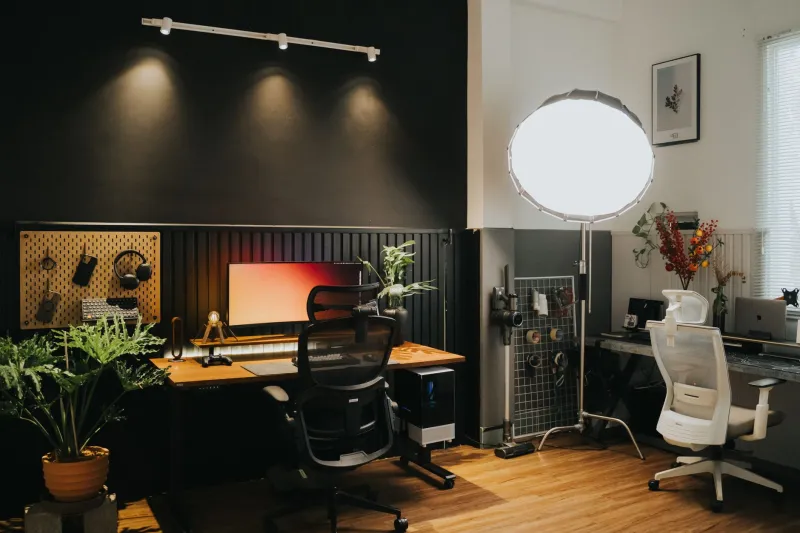
Here's a number worth sitting with: the average American remote worker logs somewhere between 8 and 10 hours a day in their chair. That's more time than most people spend sleeping. And yet, a shocking number of home offices are still running on whatever dining chair was nearby when the pandemic hit, or worse — a hand-me-down desk chair from a garage sale circa 2009.
Bad seating doesn't announce itself. It just quietly eats into your focus, tightens your lower back, and shows up as that 3 p.m. slump you keep blaming on caffeine. The good news? You don't need to drop $1,500 on a chair that sounds like a spaceship to fix it. You just need to know what to look for.
We dug into the ergonomics research, read the long-term owner reviews, and cut through the marketing fluff to find five chairs that actually hold up — in comfort and in build quality — over years of daily use.
1. Herman Miller Aeron (Remastered) — The Gold Standard, Justified
Let's address the elephant in the room: yes, the Aeron is expensive. But if you're going to spend money on one piece of office equipment this year, this is the one that earns it back.
The remastered Aeron features PostureFit SL support, which targets both the sacrum and the lumbar — not just the lower back like most budget chairs. The 8Z Pellicle mesh distributes weight across the seat in a way that eliminates pressure points most people don't even realize are causing their fatigue. It also runs cooler than foam-padded alternatives, which matters a lot when you're six hours into a workday in July.
Three size options (A, B, C) mean you're not just buying a chair — you're buying your chair. Herman Miller backs it with a 12-year warranty, which is essentially unheard of in this category. If you're in this for the long haul, the math actually works out.
Best for: Power users, full-time remote workers, anyone with chronic back issues.
2. Steelcase Leap V2 — Built for People Who Actually Move
Most ergonomic chairs assume you'll sit perfectly still. The Steelcase Leap was designed around the reality that you won't — and that's a smarter starting point.
The Leap's LiveBack technology mirrors your spine's natural movement throughout the day, adjusting as you shift, lean, and recline rather than fighting against it. The seat edge also flexes to reduce pressure behind the knees, which is something most people don't think about until it's already a problem.
Steelcase has been doing this for over a century, and the Leap V2 reflects that institutional knowledge. It's a chair that rewards fidgeters, phone-pacers, and anyone whose workday looks more like controlled chaos than a meditation session.
Best for: Active sitters, people who alternate between tasks throughout the day.
3. Secretlab Titan Evo — When Gaming Meets the 9-to-5
Secretlab built its reputation in gaming, but the Titan Evo has quietly become a legitimate contender for hybrid workers who want something that looks sharp in a home office and holds up through long sessions.
The cold-cure foam used in the seat is denser and more durable than the memory foam you'll find in cheaper gaming chairs, and it doesn't flatten out after six months the way most budget alternatives do. The integrated lumbar system is adjustable in four directions — up, down, in, and out — which gives you a genuinely custom fit without the add-on pillow situation that plagues other chairs in this price range.
It's also one of the better-looking chairs in the mid-range category, which matters when your office is also your living room and your Zoom background.
Best for: Gamers who work, remote workers who want style plus function.
4. Branch Ergonomic Chair — The Smart Mid-Range Pick
Branch doesn't have the brand history of Herman Miller or Steelcase, but it's been making a lot of noise in the direct-to-consumer space — and for good reason.
The Branch Ergonomic Chair hits a rare sweet spot: it includes adjustable lumbar support, seat depth, armrests (4D, meaning they move in four directions), and recline tension — all features that typically show up only in chairs costing twice as much. The build feels solid, not hollow, and the mesh back breathes well enough for year-round use.
Branch sells direct, which cuts out the retail markup and lets them offer a 5-year warranty at a price point that doesn't require a payment plan. For remote workers who want real ergonomics without the premium brand tax, this is the one to beat right now.
Best for: Budget-conscious buyers who refuse to compromise on adjustability.
5. Autonomous ErgoChair Pro — Maximum Adjustability for Under $500
If you've ever watched someone set up a Herman Miller and thought I wish I could do all that without spending a mortgage payment, the ErgoChair Pro is worth your attention.
Autonomous built this chair around the idea that one-size-fits-all ergonomics is a contradiction in terms. The result is a chair with more adjustment points than almost anything else in its price class: lumbar depth, backrest height, headrest angle, armrest position, seat tilt, and recline resistance are all independently tunable.
The mesh back and woven seat fabric keep airflow reasonable, and the overall build — while not quite at Steelcase levels — is sturdy enough to handle daily use without developing the wobbles and creaks that plague cheaper alternatives within a year.
The learning curve for dialing in all those settings is real, but once you get there, it feels like the chair was made for you specifically. That's the point.
Best for: Detail-oriented buyers, tall or petite users who struggle to fit standard chairs.
What to Actually Look for Before You Buy
Before you pull the trigger on any of these, a few things worth knowing:
Lumbar support matters more than cushioning. A chair that feels plush in the store but doesn't support your lumbar curve will leave you in more pain than a firmer chair that does. Always check whether lumbar support is adjustable — fixed lumbar is a compromise.
Seat depth is underrated. If the seat is too deep, you'll either slouch or sit perched on the edge. Look for chairs with adjustable seat depth if you're shorter or taller than average.
Warranties tell you something. A 12-year warranty (Herman Miller) versus a 2-year warranty signals how much confidence the manufacturer actually has in their build quality. It's worth factoring in.
Used and refurbished is a real option. Herman Miller and Steelcase chairs hold up so well that certified refurbished models — available through the manufacturers' own programs — can save you hundreds without sacrificing quality.
The Bottom Line
Your chair is probably the most-used piece of equipment in your entire setup, and it's often the last thing people invest in. But hours spent in discomfort don't just hurt — they cost you focus, energy, and eventually, health. Any of these five chairs will put you ahead of where a bargain-bin option leaves you, and most of them will still be in rotation a decade from now.
That's not a luxury purchase. That's just math.


