Better Than the Drive-Through: 5 Home Coffee Setups Worth the Counter Space
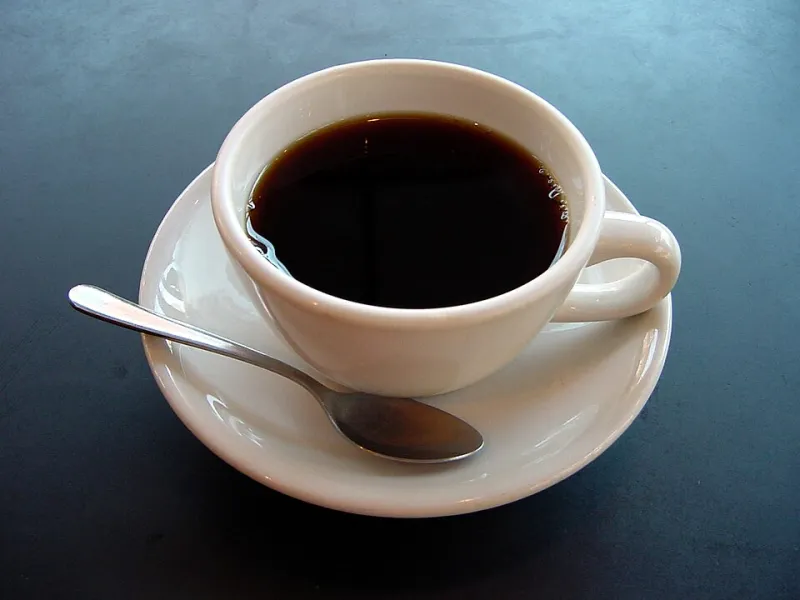
Photo: Julius Schorzman, CC BY-SA 2.0, via Wikimedia Commons
There's a certain kind of coffee content online that is deeply unhelpful. It involves words like "bloom," "extraction yield," and "dialing in," and it's written by people who have apparently dedicated their entire lives to a single beverage. If you've ever tried to research a home coffee setup and come away feeling like you need a certification first, this article is for you.
We're not here to gatekeep. We're here to help you figure out which brewing system actually fits your life — your morning schedule, your kitchen counter, your willingness to clean things. We tested five different setups ranging from simple to semi-serious, and we judged each one on three honest criteria: how steep the learning curve is, what the day-to-day maintenance looks like, and most importantly, whether the coffee it produces is noticeably better than what you're getting from your current setup.
No snobbery. No affiliate-driven rankings. Just five picks and zero guesswork.
1. Technivorm Moccamaster — Best Drip Coffee, No Argument
If you love a classic drip coffee but you've always suspected yours could taste better, the Moccamaster is the answer — and it's a surprisingly simple one. This Dutch-made machine has been around since the 1960s and has earned a devoted following for one reason: it brews at the correct water temperature (between 196°F and 205°F) and does it consistently, which most cheap drip machines simply don't.
Setup is genuinely easy. Grind your beans (or use pre-ground), add a filter, fill the reservoir, press a button. That's it. There's no app to connect, no settings to configure, no ritual required. The brew time for a full carafe is around six minutes, which means you're not standing around waiting.
Maintenance is refreshingly minimal — rinse the brew basket and carafe, descale every few months, done. The machine itself is built to last decades, which is part of why the $350–$400 price tag is easier to swallow than it looks. Think of it as a one-time purchase rather than a yearly upgrade cycle.
The flavor difference compared to a standard drip machine is real and immediate. Coffee brewed at the right temperature just tastes cleaner and more complex. You don't need to understand why — you'll just notice it.
Learning curve: Low. If you can use a regular coffee maker, you can use this. Best for: People who love drip coffee and want the best possible version of it without any new skills.
2. Breville Barista Express — Best All-in-One Espresso for Beginners Who Are Ready to Commit
The Breville Barista Express is the machine that turns regular people into people who talk about coffee. It combines a built-in grinder with an espresso machine in a single unit, which eliminates the need to buy two separate pieces of equipment and figure out how they interact.
Here's the honest truth about espresso at home: there is a learning curve. The first week involves some disappointing shots and a fair amount of Googling. But the Barista Express is specifically designed to make that learning curve survivable. The pressure gauge on the front gives you real-time feedback on your extraction, and the grind size dial is straightforward enough that you can actually troubleshoot what went wrong.
By week two, most people are pulling shots they're genuinely proud of. By week three, they're annoying their friends by describing it.
Countertop footprint is real — this machine is about 13 inches wide — so measure your space first. Cleaning involves daily portafilter rinses and a weekly backflush, which sounds more complicated than it is once you've done it a few times.
At around $700, it's a serious investment. But compared to buying separate espresso machine and grinder setups that achieve the same quality, it's actually solid value.
Learning curve: Medium. Plan for a two-week adjustment period. Best for: Anyone who wants café-quality espresso at home and is willing to spend a couple weekends learning the basics.
3. Fellow Stagg EKG + Hario V60 — Best Pour-Over Setup for the Ritual-Minded
This one's a two-piece recommendation because pour-over coffee is really about the process as much as the product. The Fellow Stagg EKG is a gooseneck electric kettle with precise temperature control and a hold function — it looks beautiful on a counter and works even better. Pair it with a Hario V60 dripper (about $25 for the ceramic version) and you've got a pour-over setup that serious coffee people genuinely respect.
The combined cost is around $200–$220, which is reasonable for the quality of coffee it produces. Pour-over brewing extracts a clarity and brightness in coffee that drip machines and espresso can't quite replicate — it's particularly good with lighter roasts and single-origin beans.
The honest caveat: this requires your full attention for about four minutes every morning. You're pouring water in deliberate stages, watching the bloom, timing your pours. For some people, that morning ritual is the whole point — meditative, intentional, genuinely enjoyable. For others, it's a nightmare before their first cup of coffee.
Know which type you are before buying.
Cleaning is dead simple — the V60 just needs a rinse, and the kettle wipes down easily.
Learning curve: Low to medium. The technique takes a few tries to feel natural. Best for: People who actually enjoy the process of making coffee, not just drinking it.
4. Nespresso Vertuo Plus — Best Option When Convenience Wins
Look — not every morning allows for grinding beans and timing pours. Sometimes you need coffee in ninety seconds with zero decisions involved. The Nespresso Vertuo Plus is the honest answer for those mornings, and there's no shame in it.
The pod system gets a lot of flak from coffee purists, but the Vertuo's centrifusion technology (it spins the capsule at high speed during brewing) produces a genuinely impressive crema and a consistently good cup. The machine reads a barcode on each capsule and automatically adjusts brew settings, which means you literally cannot mess it up.
The footprint is compact, the machine heats up in about 25 seconds, and cleanup is a capsule disposal and occasional water tank rinse. That's it.
The ongoing cost of pods — around $1.00–$1.35 each — is the main consideration. If you're drinking two cups a day, that adds up over a year. But compared to daily café stops, the math still works in your favor. Nespresso also has a recycling program for the aluminum capsules, which addresses at least some of the environmental concern.
Learning curve: Essentially zero. Best for: Busy households, offices, or anyone who wants consistently good coffee with no effort whatsoever.
5. AeroPress — Best for Small Spaces and People Who Travel
The AeroPress is a cult classic for good reason. It's a plastic cylinder that costs about $40, takes up almost no counter space, and produces coffee that genuinely punches above its weight. The brewing method is fast (about two minutes total), forgiving of technique variation, and produces a smooth, low-acidity cup that works well as both a straight coffee and a concentrated base for milk drinks.
It's also nearly indestructible and fully portable — many people buy it specifically because it works just as well in a hotel room or a campsite as it does at home. If you're in a small apartment, living with roommates who've claimed all the counter real estate, or just not ready to commit to a full setup, the AeroPress is the smartest $40 you can spend on coffee.
The learning curve is gentle. There are a thousand different "recipes" online, but the basic method works great right out of the box. Cleanup takes about thirty seconds.
Learning curve: Very low. Best for: Small-space dwellers, travelers, students, or anyone who wants to upgrade their coffee without upgrading their kitchen.
The Bottom Line
The best home coffee setup is the one you'll actually use every single day. If you want zero effort, get the Nespresso. If you want the best drip coffee of your life without learning anything new, get the Moccamaster. If you're ready to go deep on espresso, the Breville Barista Express will take you there.
You don't have to become a coffee person to drink better coffee. You just have to pick the right tool for the way you actually live.